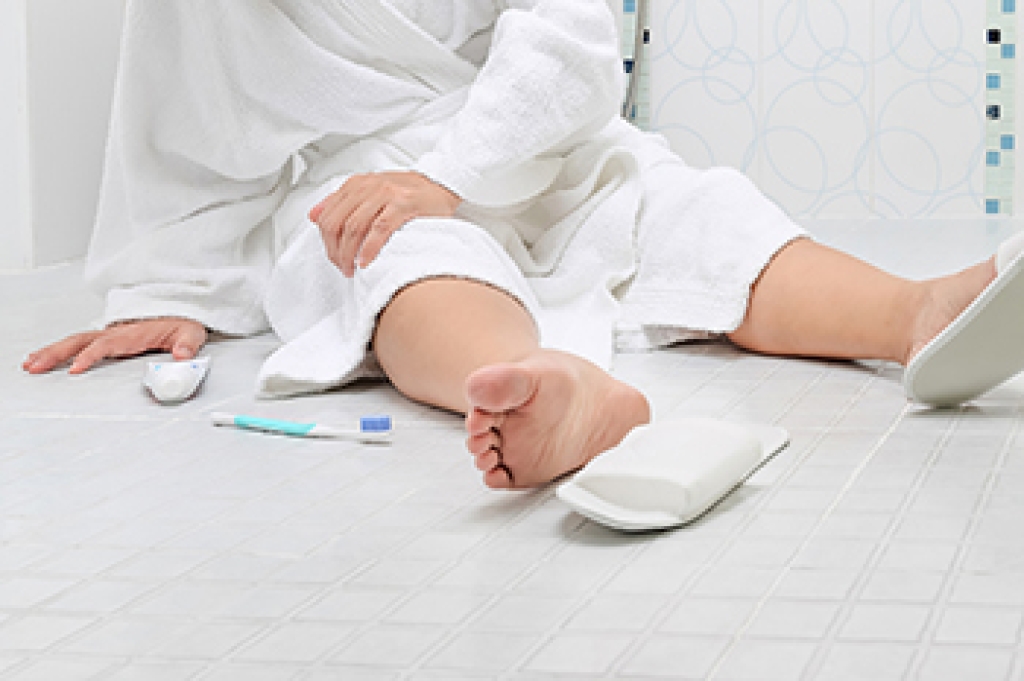
Ways to Avoid Falling at Home

Falling is one of the leading causes of injury among those older than 65. In fact, one out of every 4 seniors will fall each year. Thankfully, there are plenty of simple things that can be done in order to prevent falls in the home. One step that can be done is to keep the floors at home clutter-free in order to avoid tripping. Installing grab bars in the bathrooms and handrails around staircases can help provide stability and prevent falls. One of the most important things that can be done to avoid falling is to consult with a podiatrist about any falls that you may have experienced, or for more professional advice on fall prevention. A podiatrist will be able to help check your feet and give advice on proper footwear that should be worn as well as review any medications that may make you dizzy or lead to instability. 

Preventing falls among the elderly is very important. If you are older and have fallen or fear that you are prone to falling, consult with one of our podiatrists from Gerber Podiatry Clinic. Our doctors will assess your condition and provide you with quality advice and care.

Every 11 seconds, an elderly American is being treated in an emergency room for a fall related injury. Falls are the leading cause of head and hip injuries for those 65 and older. Due to decreases in strength, balance, senses, and lack of awareness, elderly persons are very susceptible to falling. Thankfully, there are a number of things older persons can do to prevent falls.

How to Prevent Falls

Some effective methods that older persons can do to prevent falls include:

  • Enrolling in strength and balance exercise program to increase balance and strength
  • Periodically having your sight and hearing checked
  • Discuss any medications you have with a doctor to see if it increases the risk of falling
  • Clearing the house of falling hazards and installing devices like grab bars and railings
  • Utilizing a walker or cane
  • Wearing shoes that provide good support and cushioning
  • Talking to family members about falling and increasing awareness

Falling can be a traumatic and embarrassing experience for elderly persons; this can make them less willing to leave the house, and less willing to talk to someone about their fears of falling. Doing such things, however, will increase the likelihood of tripping or losing one’s balance. Knowing the causes of falling and how to prevent them is the best way to mitigate the risk of serious injury.  

If you have any questions, please feel free to contact our office located in Evanston, IL . We offer the newest diagnostic and treatment technologies for all your foot care needs.
Read more about Falls Prevention

Why Is My Child Experiencing Heel Pain?

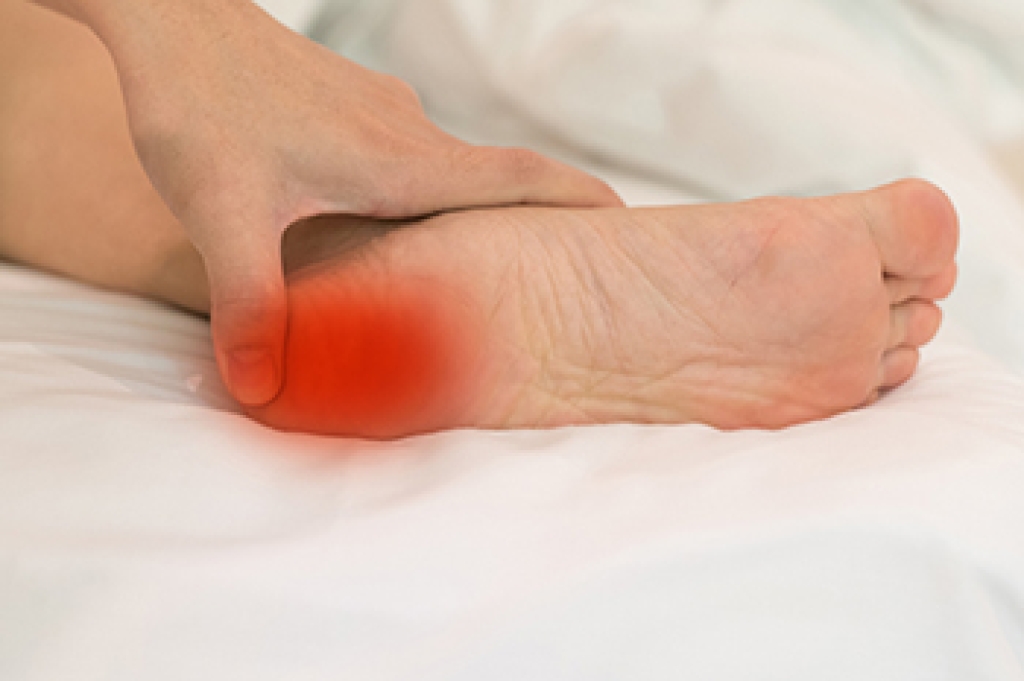
Sever’s disease is a common heel pain condition that often affects children between the ages of 9 and 13 who are particularly athletic and involved in sports like soccer, gymnastics, baseball, basketball, and football. It is a result of the bones in the calves growing faster than the Achilles tendon (which connects the calf muscle to the heel). When this happens, the tendon tightens, which can result in a sore or swollen heel. The most common sign of Sever’s disease is heel pain that develops slowly and gets worse with activity. The pain will usually subside with rest and it is not typically present during low impact sports like swimming or cycling. If your child complains of heel pain, consulting with a podiatrist for a proper diagnosis is suggested.

Sever's disease often occurs in children and teens. If your child is experiencing foot or ankle pain, see one of our podiatrists from Gerber Podiatry Clinic. Our doctors can treat your child’s foot and ankle needs.

Sever’s Disease

Sever’s disease is also known as calcaneal apophysitis, which is a medical condition that causes heel pain I none or both feet. The disease is known to affect children between the ages of 8 and 14.

Sever’s disease occurs when part of the child’s heel known as the growth plate (calcaneal epiphysis) is attached to the Achilles tendon. This area can suffer injury when the muscles and tendons of the growing foot do not keep pace with bone growth. Therefore, the constant pain which one experiences at the back of the heel will make the child unable to put any weight on the heel. The child is then forced to walk on their toes.

Symptoms

Acute pain – Pain associated with Sever’s disease is usually felt in the heel when the child engages in physical activity such as walking, jumping and or running.

Highly active – Children who are very active are among the most susceptible in experiencing Sever’s disease, because of the stress and tension placed on their feet.

If you have any questions, please feel free to contact our office located in Evanston, IL . We offer the newest diagnostic and treatment technologies for all your foot care needs.
Read more about Sever's Disease

Skin Care For Cracked Heels

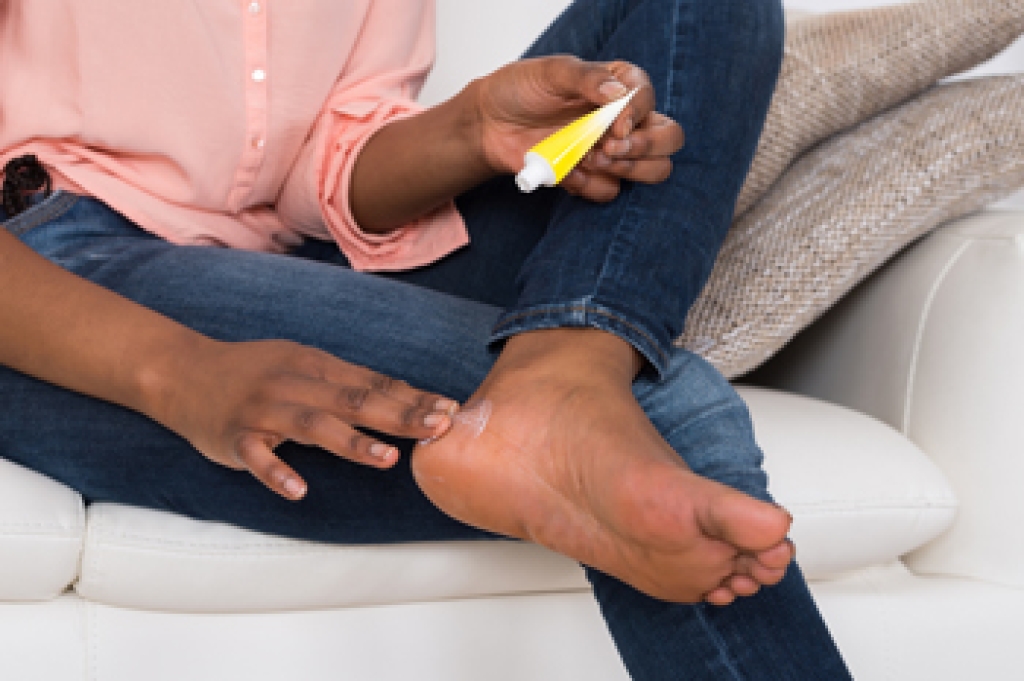
While cracked heels can be unsightly, they are not merely a cosmetic concern. In some cases, the cracks in the skin can become so deep that they cause pain, bleed, and become infected. To avoid this, it is important to moisturize your feet on a regular basis, especially if you notice dry skin. You may want to first soak your feet and gently buff away dry skin with a pumice stone. Then, apply a moisturizer and put on socks to help seal in the moisture. If home treatment doesn’t help reduce dryness and prevent painful cracks, then it is strongly suggested that you seek the care of a podiatrist. You should also see a podiatrist for care if you are diabetic or have a compromised immune system, as these conditions can lead to serious foot complications. 

Cracked heels are unsightly and can cause further damage to your shoes and feet. If you have any concerns, contact one of our podiatrists from Gerber Podiatry Clinic. Our doctors can provide the care you need to keep you pain-free and on your feet.

Cracked Heels

Cracked heels appear unappealing and can make it harder for you walk around in sandals. Aside from looking unpleasant, cracked heels can also tear stockings, socks, and wear out your shoes. There are several methods to help restore a cracked heel and prevent further damage.

How Do You Get Them?

Dry skin is the number one culprit in creating cracked heels. Many athletes, walkers, joggers, and even swimmers suffer from cracked heels. Age and skin oil production play a role to getting cracked heels as well.

Promote Healing

Over the counter medicines can help, especially for those that need instant relief or who suffer from chronic dry feet.

Wear Socks – Wearing socks with medicated creams helps lock in moisture.

Moisturizers – Applying both day and night will help alleviate dryness which causes cracking.

Pumice Stones – These exfoliate and remove dead skin, which allows for smoother moisturizer application and better absorption into the skin. 

Change in Diet

Eating healthy with a well-balanced diet will give the skin a fresh and radiant look. Your body responds to the kinds of food you ingest. Omega-3 fatty acids and zinc supplements can also revitalize skin tissue.

Most importantly, seek professional help if unsure how to proceed in treating cracked heels. A podiatrist will help you with any questions or information needed. 

If you have any questions, please feel free to contact our office located in Evanston, IL . We offer the newest diagnostic and treatment technologies for all your foot care needs.

Read more about Solutions for Cracked Heels

All About Bunionectomies

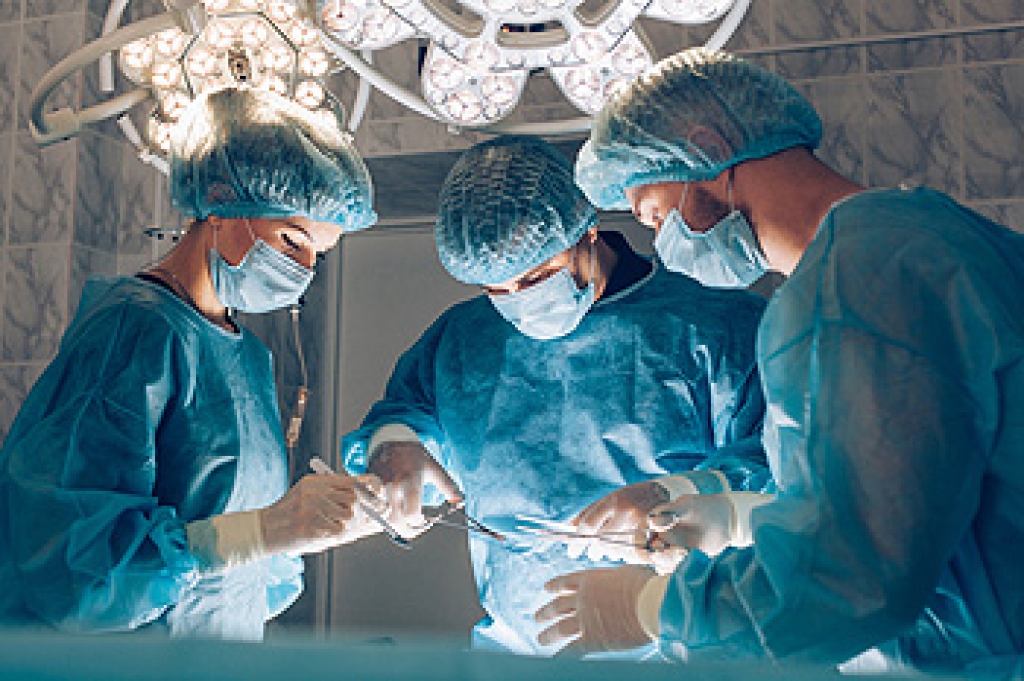
A bunionectomy is a surgical procedure that is used to remove a bunion and bring the big toe (and any other affected structures in the foot) back into proper alignment. During the surgery, anesthesia is used to numb your foot. The surgeon then makes one or more incisions near the bunion to remove extra bone or tissue, realign the bones, or straighten the toe. In some cases, the toe joint may be operated on to rebuild or repair it. Bunionectomies are typically outpatient procedures, which means that you will get to go home the same day as your surgery. You may be given a toe spacer, post-surgical shoe, or mobility device to help hold your foot in the right position and keep weight off of it while you heal. It can take several months to fully recover. To learn more about bunion surgery and to find out if it’s the right treatment for you, please speak with a podiatrist. 

If you are suffering from bunions, contact one of our podiatrists of Gerber Podiatry Clinic. Our doctors can provide the care you need to keep you pain-free and on your feet.

What Is a Bunion?

A bunion is formed of swollen tissue or an enlargement of boney growth, usually located at the base joint of the toe that connects to the foot. The swelling occurs due to the bones in the big toe shifting inward, which impacts the other toes of the foot. This causes the area around the base of the big toe to become inflamed and painful.

Why Do Bunions Form?

Genetics – Susceptibility to bunions are often hereditary

Stress on the feet – Poorly fitted and uncomfortable footwear that places stress on feet, such as heels, can worsen existing bunions

How Are Bunions Diagnosed?

Podiatrists often perform two tests – blood tests and x-rays – when trying to diagnose bunions, especially in the early stages of development. Blood tests help determine if the foot pain is being caused by something else, such as arthritis, while x-rays provide a clear picture of your bone structure to your provider.

How Are Bunions Treated?

  • Refrain from wearing heels or similar shoes that cause discomfort
  • Select wider shoes that can provide more comfort and reduce pain
  • Anti-inflammatory and pain management drugs
  • Orthotics or foot inserts
  • Surgery

If you have any questions, please feel free to contact our office located in Evanston, IL . We offer the newest diagnostic and treatment technologies for all your foot care needs.

Read more about Bunions

Connect With Us

Advanced Podiatric Procedures & Services in the Evanston, IL 60202 area