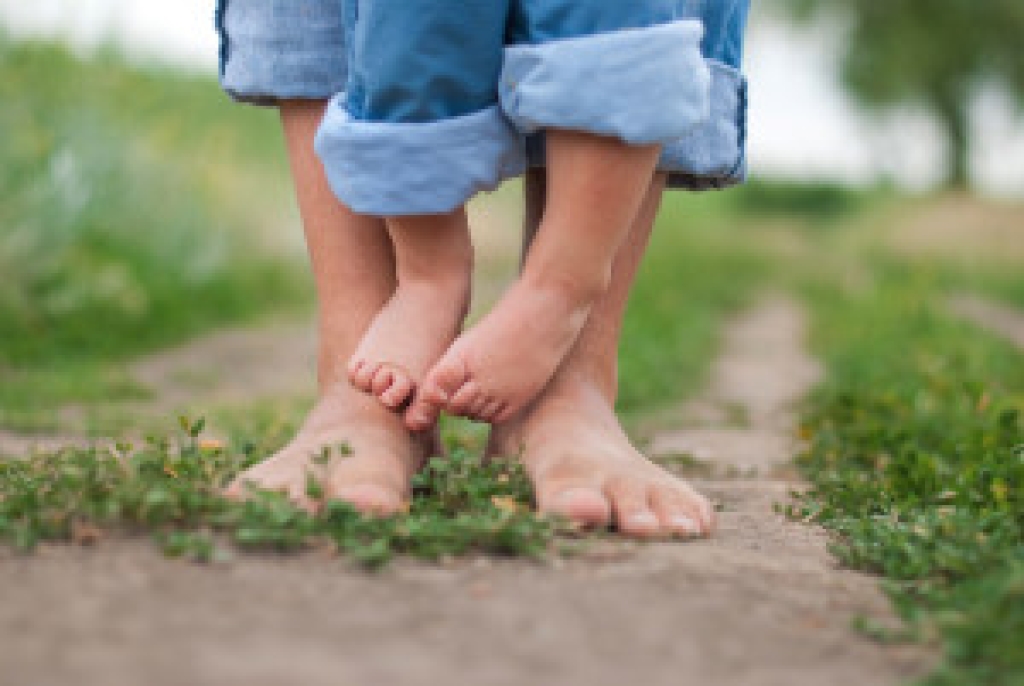
How To Best Protect Your Child’s Developing Feet

The bones in your child’s feet will develop over time— from the cartilage they were born with to ossified bones that are fully formed around the age of 18. For the first few months of their lives, babies’ feet are quite delicate. That is why the type of footwear you choose for your child is very important. You don’t want your child’s developing feet to be distorted by footwear that does not fit properly. Make sure footwear and socks are never tight. While your child’s feet are developing, the nerve endings in their feet are developing too and may not be able to signal if their feet are being squeezed or compressed. Since no two feet are the same, avoid hand-me-down shoes that may not be right for your child’s feet. Keep their toenails trimmed straight across without curving them or cutting them so short that it puts them at risk of developing an ingrown toenail. For more advice on how to best protect your child’s feet as they grow, it is suggested that you contact a podiatrist.

Making sure that your children maintain good foot health is very important as they grow. If you have any questions, contact one of our podiatrists of Gerber Podiatry Clinic. Our doctors can provide the care you need to keep you pain-free and on your feet.

Keeping Children's Feet Healthy

Having healthy feet during childhood can help prevent medical problems later in life, namely in the back and legs. As children grow, their feet require different types of care. Here are some things to consider...

Although babies do not walk yet, it is still very important to take care of their feet.

Avoid putting tight shoes or socks on his or her feet.

Allow the baby to stretch and kick his or her feet to feel comfortable.

As a toddler, kids are now on the move and begin to develop differently. At this age, toddlers are getting a feel for walking, so don’t be alarmed if your toddler is unsteady or ‘walks funny’. 

As your child gets older, it is important to teach them how to take care of their feet.

Show them proper hygiene to prevent infections such as fungus.

Be watchful for any pain or injury.

Have all injuries checked by a doctor as soon as possible.

Comfortable, protective shoes should always be worn, especially at play.

If you have any questions, please feel free to contact our office located in Evanston, IL . We offer the newest diagnostic and treatment technologies for all your foot care needs.
Read more about What to Do to Keep Your Child’s Feet Healthy

How Bunions Form

Bunions are a common foot deformity known as a small, bony lump on the side of the big toe. This bony protrusion usually forms due to the big toe bending towards the smaller toes when it should be straight, thus pushing the bones out of alignment. Bunions gradually form over time and typically get worse without treatment. The angle of the bunion gets sharper, and the bump can grow larger. In severe cases, surgery may be necessary. Bunions may be the result of an inherited mechanical structure, or they may form from wearing shoes that are too tight. Common symptoms of a bunion include pain in the affected area, inflammation, a burning sensation, and possible numbness. It is suggested that larger shoes, or shoes with a wide toe box be worn when you are afflicted with a bunion. Patients who are struggling with this ailment should consult with a podiatrist as soon as possible to determine the best course of treatment.

If you are suffering from bunion pain, contact one of our podiatrists of Gerber Podiatry Clinic. Our doctors can provide the care you need to keep you pain-free and on your feet.

What Is a Bunion?

Bunions are painful bony bumps that usually develop on the inside of the foot at the joint of the big toe. As the deformity increases over time, it may become painful to walk and wear shoes. Women are more likely to exacerbate existing bunions since they often wear tight, narrow shoes that shift their toes together. Bunion pain can be relieved by wearing wider shoes with enough room for the toes.

Causes

  • Genetics – some people inherit feet that are more prone to bunion development
  • Inflammatory Conditions - rheumatoid arthritis and polio may cause bunion development

Symptoms

  • Redness and inflammation
  • Pain and tenderness
  • Callus or corns on the bump
  • Restricted motion in the big toe

In order to diagnose your bunion, your podiatrist may ask about your medical history, symptoms, and general health. Your doctor might also order an x-ray to take a closer look at your feet. Nonsurgical treatment options include orthotics, padding, icing, changes in footwear, and medication. If nonsurgical treatments don’t alleviate your bunion pain, surgery may be necessary.

If you have any questions, please feel free to contact our office located in Evanston, IL . We offer the newest diagnostic and treatment technologies for all your foot care needs.

Read more about Bunions

Exercises for an MTP Sprain

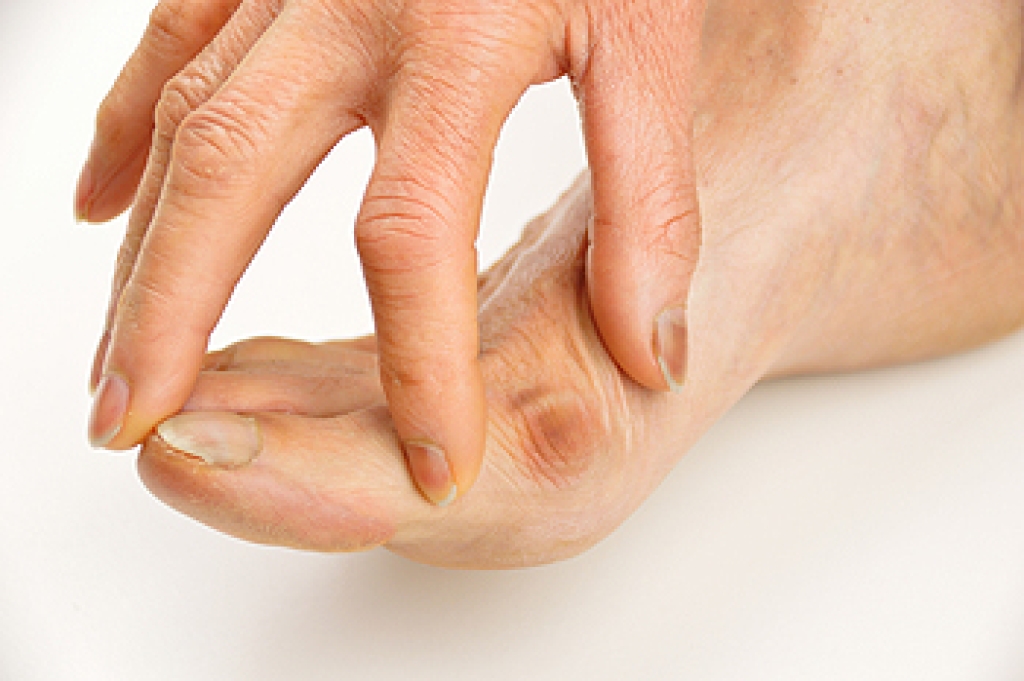
If you have sprained one of the metatarsophalangeal (MTP) joints in your foot your podiatrist may suggest that you do gentle exercises to help your recovery. Gentle stretches can help to keep your muscles and ligaments flexible. One simple stretch is a great toe extension. To do this exercise, sit down and place your affected foot over your other knee. With one hand, grasp the heel. With your other hand, gently pull your big toe backwards. You should feel a stretch along the bottom of your foot. Hold this stretch for 15-30 seconds and repeat several times for best results. To find more stretches and determine which ones may be right for you, please consult with your podiatrist. 

Exercising your feet regularly with the proper foot wear is a great way to prevent injuries and build strength. If you have any concerns about your feet, contact one of our podiatrists from Gerber Podiatry Clinic. Our doctors can provide the care you need to keep you pain-free and on your feet.

Exercise for Your Feet

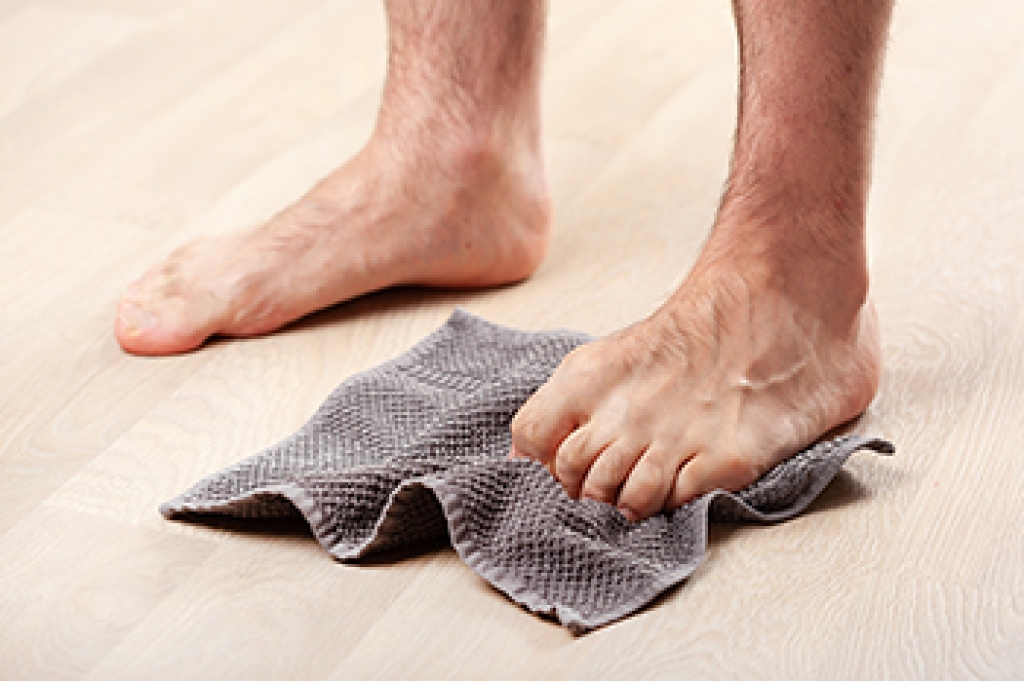
Exercise for your feet can help you gain strength, mobility and flexibility in your feet. They say that strengthening your feet can be just as rewarding as strengthening another part of the body. Your feet are very important, and we often forget about them in our daily tasks. But it is because of our feet that are we able to get going and do what we need to. For those of us fortunate enough to not have any foot problems, it is an important gesture to take care of them to ensure good health in the long run.

Some foot health exercises can include ankle pumps, tip-toeing, toe rises, lifting off the floor doing reps and sets, and flexing the toes. It is best to speak with Our doctors to determine an appropriate regimen for your needs. Everyone’s needs and bodies are different, and the activities required to maintain strength in the feet vary from individual to individual. 

Once you get into a routine of doing regular exercise, you may notice a difference in your feet and how strong they may become.

If you have any questions, please feel free to contact our office located in Evanston, IL . We offer the newest diagnostic and treatment technologies for all your foot care needs.
Read more about Exercise for Your Feet

Keep Your Feet Healthy So You Can Stay Active

Have your feet inspected by a professional before starting a new sport or physical activity. Taking charge of your foot health will keep you in good physical condition and can help you avoid a potential injury, such as a fracture or sprained ankle.

Prevent injuries and see a foot specialist.

Ways to Treat Morton’s Neuroma

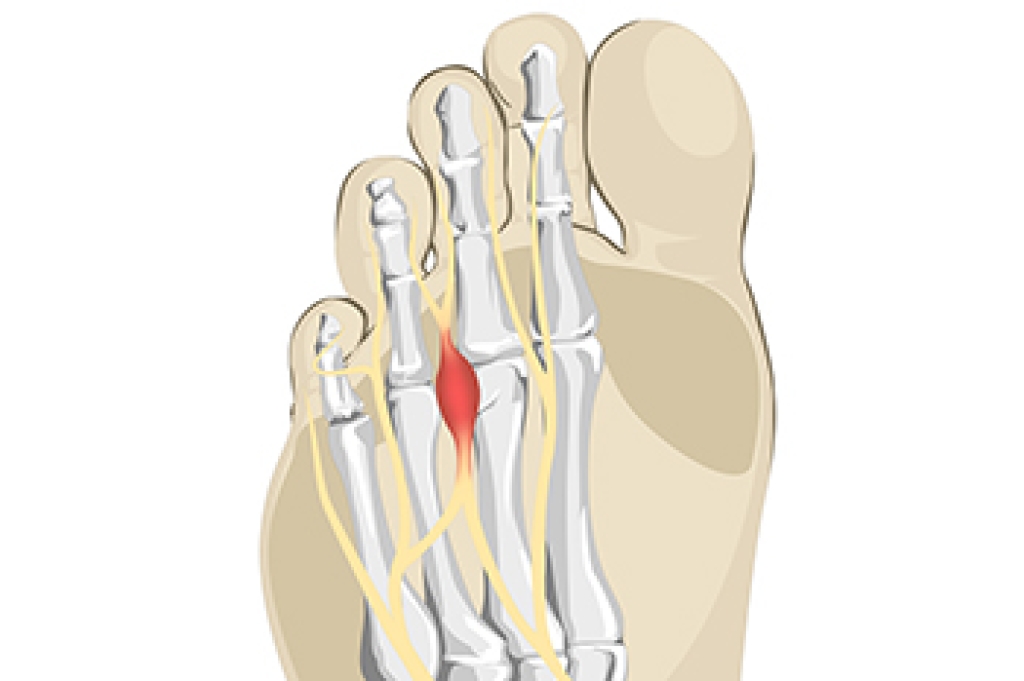
If you have sharp pain in the area of the foot between the third and fourth toes, you may have Morton's neuroma. Symptoms include feeling a stabbing, burning pain and experiencing numbness or tingling. For many people, non-surgical treatment can ease these symptoms. Probably the most common cause of Morton's neuroma is ill-fitting shoes that have high heels, pointy toes, and are too tight. These can cause nerve damage and subsequent pain. Simply changing to wider, more comfortable shoes with increased cushioning will likely reduce pain. High impact sports, especially running, are another common cause of Morton’s neuroma. It’s a good idea to rest the feet until the nerves recover before continuing such activity. Orthotic inserts in your shoes can help alleviate symptoms. Non-steroidal anti-inflammatory drugs, and corticosteroid or anesthetic injections are more-advanced treatments. Finally, surgical intervention may be indicated in severe cases. This procedure can remove some surrounding tissue or parts of the nerve, helping to widen the inflamed area and relieve pressure that causes pain. For more information on treatment for Morton’s neuroma, please consult a podiatrist who can help you determine the best course of action.

Morton’s neuroma is a very uncomfortable condition to live with. If you think you have Morton’s neuroma, contact one of our podiatrists of Gerber Podiatry Clinic. Our doctors will attend to all of your foot care needs and answer any of your related questions.  

Morton’s Neuroma

Morton's neuroma is a painful foot condition that commonly affects the areas between the second and third or third and fourth toe, although other areas of the foot are also susceptible. Morton’s neuroma is caused by an inflamed nerve in the foot that is being squeezed and aggravated by surrounding bones.

What Increases the Chances of Having Morton’s Neuroma?

  • Ill-fitting high heels or shoes that add pressure to the toe or foot
  • Jogging, running or any sport that involves constant impact to the foot
  • Flat feet, bunions, and any other foot deformities

Morton’s neuroma is a very treatable condition. Orthotics and shoe inserts can often be used to alleviate the pain on the forefront of the feet. In more severe cases, corticosteroids can also be prescribed. In order to figure out the best treatment for your neuroma, it’s recommended to seek the care of a podiatrist who can diagnose your condition and provide different treatment options.

If you have any questions, please feel free to contact our office located in Evanston, IL . We offer the newest diagnostic and treatment technologies for all your foot care needs.

Read more about Morton's Neuroma

Connect With Us

Advanced Podiatric Procedures & Services in the Evanston, IL 60202 area