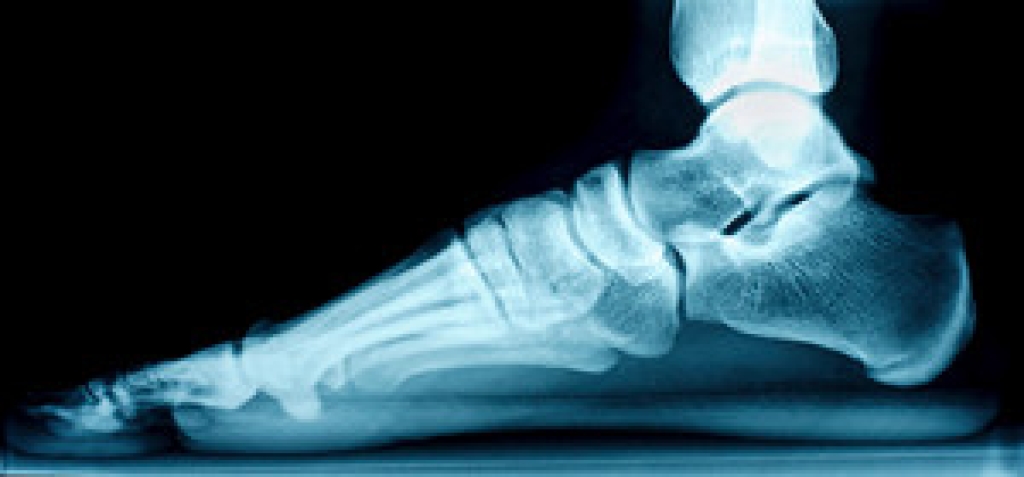
Stretching May Help Flat Feet

People who have flat feet often look toward stretching and exercising which may help any discomfort that can accompany this ailment. Flat feet are defined as the foot having a low arch, or the arch being absent. It is noticeable while standing on the floor, and the entire foot lies flat. It is considered to be an imbalance, and can affect other parts of the body. The feet are the foundation of the body, and carry us through the day. When the feet connect to the ground, and there is no arch, the plantar fascia may be negatively affected, and may cause pain and discomfort. This is the band of tissue that runs across the bottom of the foot, and connects the heel to the toes. This can produce tight calf muscles. There are simple stretches that can help to relieve the discomfort. These can consist of standing on a step and lowering the heels one at a time until a gentle stretch is felt. Additionally, many people choose to roll the sole of their foot over a tennis ball, and this can be beneficial in releasing any tension in the foot. If you have flat feet, and would like to learn more about how stretches can help you, please consult with a podiatrist. 

Flatfoot is a condition many people suffer from. If you have flat feet, contact one of our podiatrists from Gerber Podiatry Clinic. Our doctors will treat your foot and ankle needs.

What Are Flat Feet?

Flatfoot is a condition in which the arch of the foot is depressed and the sole of the foot is almost completely in contact with the ground. About 20-30% of the population generally has flat feet because their arches never formed during growth.

Conditions & Problems:

Having flat feet makes it difficult to run or walk because of the stress placed on the ankles.

Alignment – The general alignment of your legs can be disrupted, because the ankles move inward which can cause major discomfort.

Knees – If you have complications with your knees, flat feet can be a contributor to arthritis in that area.  

Symptoms

  • Pain around the heel or arch area
  • Trouble standing on the tip toe
  • Swelling around the inside of the ankle
  • Flat look to one or both feet
  • Having your shoes feel uneven when worn

Treatment

If you are experiencing pain and stress on the foot you may weaken the posterior tibial tendon, which runs around the inside of the ankle. 

If you have any questions, please feel free to contact our office located in Evanston, IL . We offer the newest diagnostic and treatment technologies for all your foot care needs.
Read more about Flat Feet

Getting to the Root of Heel Pain

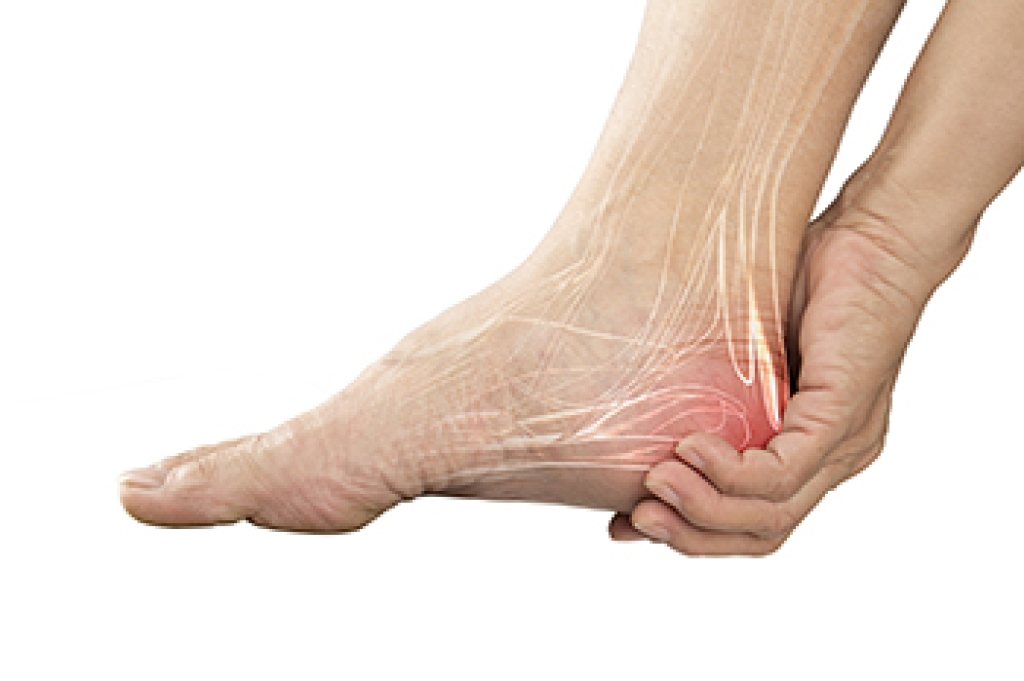
Heel pain can be caused by a variety of conditions. Plantar fasciitis is an overuse injury and the leading cause of heel pain. This is where the plantar fascia tissue on the bottom of the foot—which connects the heel bone with the toes—is overly stressed or torn, and becomes inflamed. Stress on the heel bone, caused by plantar fasciitis, can also trigger a reactionary response in the body where calcium deposits (heel spurs) build up on the heel bone over time. However, heel spurs are not always symptomatic. If a growing child experiences heel pain, they may have Sever’s disease, an inflammation of the growth plate at the back of the heel. Another type of heel pain can be caused by irritation and inflammation of the fluid-filled sac (bursa) at the back of the ankle where the heel connects with the Achilles tendon. This is known as bursitis. Heel pain can also be caused by a nerve leading to the heel that becomes compressed, bumps and bruises, and even systemic diseases like gout and arthritis. If you are experiencing any kind of heel pain, have your condition properly diagnosed and treated by a podiatrist.

Many people suffer from bouts of heel pain. For more information, contact one of our podiatrists of Gerber Podiatry Clinic. Our doctors can provide the care you need to keep you pain-free and on your feet.

Causes of Heel Pain

Heel pain is often associated with plantar fasciitis. The plantar fascia is a band of tissues that extends along the bottom of the foot. A rip or tear in this ligament can cause inflammation of the tissue.

Achilles tendonitis is another cause of heel pain. Inflammation of the Achilles tendon will cause pain from fractures and muscle tearing. Lack of flexibility is also another symptom.

Heel spurs are another cause of pain. When the tissues of the plantar fascia undergo a great deal of stress, it can lead to ligament separation from the heel bone, causing heel spurs.

Why Might Heel Pain Occur?

  • Wearing ill-fitting shoes                
  • Wearing non-supportive shoes
  • Weight change           
  • Excessive running

Treatments

Heel pain should be treated as soon as possible for immediate results. Keeping your feet in a stress-free environment will help. If you suffer from Achilles tendonitis or plantar fasciitis, applying ice will reduce the swelling. Stretching before an exercise like running will help the muscles. Using all these tips will help make heel pain a condition of the past.

If you have any questions, please feel free to contact our office located in Evanston, IL . We offer the newest diagnostic and treatment technologies for all your foot care needs.
Read more about Heel Pain

How Footwear Affects Athlete’s Foot

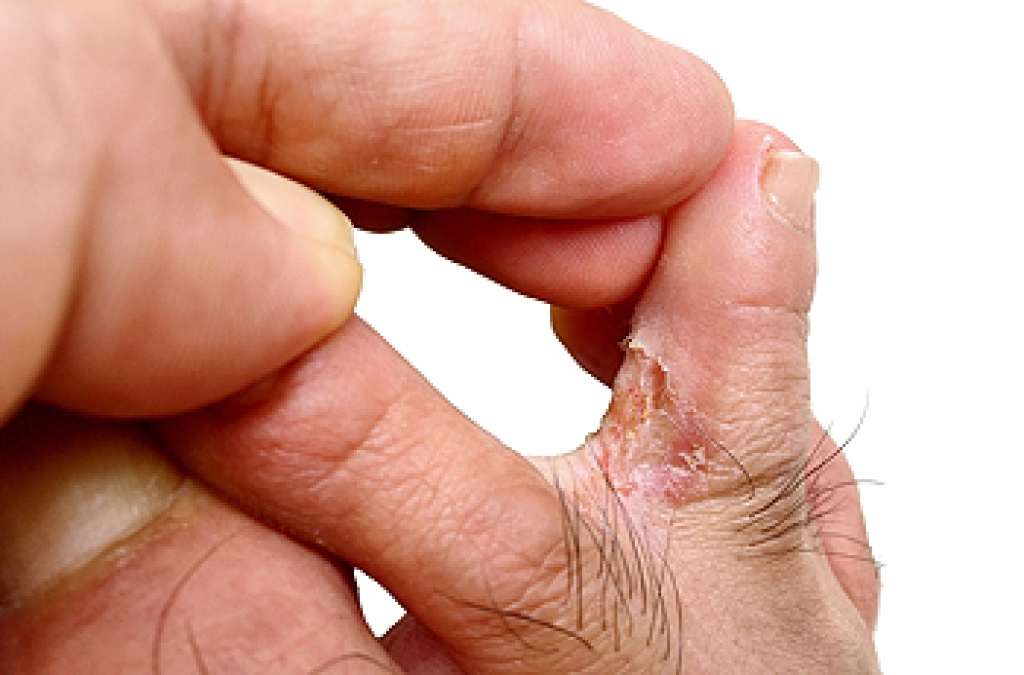
Approximately 70% of individuals will develop a form of athlete’s foot at some point in their lives. Therefore, you ought to be aware of what this condition is and how it is linked to certain kinds of footwear. Athlete’s foot is primarily caused by a fungal infection that most commonly affects the outer skin of the foot around the toes. The fungus that causes athlete’s foot thrives in warm, moist, and damp environments. Individuals who walk barefoot in damp, public areas (such as locker rooms and pool sides) are more susceptible to athlete’s foot. However, your footwear also can make you more susceptible. For example, shoes that are tight fitting, especially around the toes, put you at risk of developing athlete’s foot because they essentially squeeze your toes together. This squeezing effect can make the area around the toes warm and moist, facilitating the fungal infection. Also, plastic footwear might make you more prone to developing athlete’s foot. This is because plastic is a material that warms and moistens the feet more than others, like canvas or leather. For more information about athlete’s foot and its connection to certain kinds of footwear, contact a podiatrist.

Athlete’s foot is an inconvenient condition that can be easily reduced with the proper treatment. If you have any concerns about your feet and ankles, contact one of our podiatrists from Gerber Podiatry Clinic.  Our doctors will treat your foot and ankle needs.

Athlete’s Foot: The Sole Story

Athlete's foot, also known as tinea pedis, can be an extremely contagious foot infection. It is commonly contracted in public changing areas and bathrooms, dormitory style living quarters, around locker rooms and public swimming pools, or anywhere your feet often come into contact with other people.

Solutions to Combat Athlete’s Foot

  • Hydrate your feet by using lotion
  • Exfoliate
  • Buff off nails
  • Use of anti-fungal products
  • Examine your feet and visit your doctor if any suspicious blisters or cuts develop

Athlete’s foot can cause many irritating symptoms such as dry and flaking skin, itching, and redness. Some more severe symptoms can include bleeding and cracked skin, intense itching and burning, and even pain when walking. In the worst cases, Athlete’s foot can cause blistering as well. Speak to your podiatrist for a better understanding of the different causes of Athlete’s foot, as well as help in determining which treatment options are best for you.

If you have any questions please feel free to contact our office located in Evanston, IL . We offer the newest diagnostic and treatment technologies for all your foot and ankle needs.

Read more about Athlete's Foot

Are Bunions Affecting Your Everyday Life?

Have you noticed a bony protrusion on the side of your big toe? If so, you may have developed the foot condition known as a bunion. Don't let bunions interfere with your daily activities.

Running Tips for Beginners

It is easy to take running for granted. After all, we learned to run at an early age with little or no training. But as an adult, taking up running for fitness, as a sport, or even as a challenge, requires training and taking precautions. Running a 10K, for instance, can cause a great deal of pain and possible injury if you are not prepared. The following are a few ways to keep your feet and body safe when you take up running. First, get a pair of running shoes that fit properly and provide the cushioning needed to protect your feet from injury. Find socks that wick sweat and help prevent blisters. Tend to any blisters carefully, seeking help from a podiatrist if necessary. Embark on a training plan that begins slowly and builds gradually in time, distance, and speed. Train consistently, rather than leaving long gaps between runs. Make sure you eat healthy foods, boosting the carbohydrates before a run to give you the fuel you will need. Drink lots of water to avoid becoming dehydrated. Pay attention to calluses and corns that may form. It is suggested to check with a podiatrist to see if they can be prevented with orthotics. Podiatrists can also help to address any other toe, foot, or ankle problems that may have developed. 

Exercising your feet regularly with the proper foot wear is a great way to prevent injuries. If you have any concerns about your feet, contact one of our podiatrists of Gerber Podiatry Clinic. Our doctors will treat your foot and ankle needs.

How to Prevent Running Injuries

Many common running injuries are caused by overuse and overtraining. When the back of the kneecap starts wearing out and starts causing pain in your knee, this is commonly referred to as runner’s knee. Runner’s knee is a decrease in strength in your quadriceps and can occur if you’re not wearing properly fitted or supporting shoes. To prevent runner’s knee, focusing on hip strengthening is a good idea, as well as strengthening your quads to keep the kneecaps aligned.

What Are Some Causes of Running Injuries? 
- One cause of a common running injury is called iliotibial band syndrome.
- Plantar fasciitis is also another common injury.
- Stress fractures can occur from overtraining, lack of calcium, or even your running style.

Best Ways to Prevent Running Injuries
- Wear footwear that fits properly and suits your running needs.
- Running shoes are the only protective gear that runners have to safeguard them from injury.
- Make a training schedule. Adding strengthening exercises as well as regular stretching can help keep you strong and limber and can lessen the possibility of injuries.
- Stretching keeps muscles limber; this will help you gain better flexibility.

If you have any questions, please feel free to contact our office located in Evanston, IL . We offer the newest diagnostic and treatment technologies for all your foot care needs.

Read more about How to Prevent Running Injuries

Connect With Us

Advanced Podiatric Procedures & Services in the Evanston, IL 60202 area