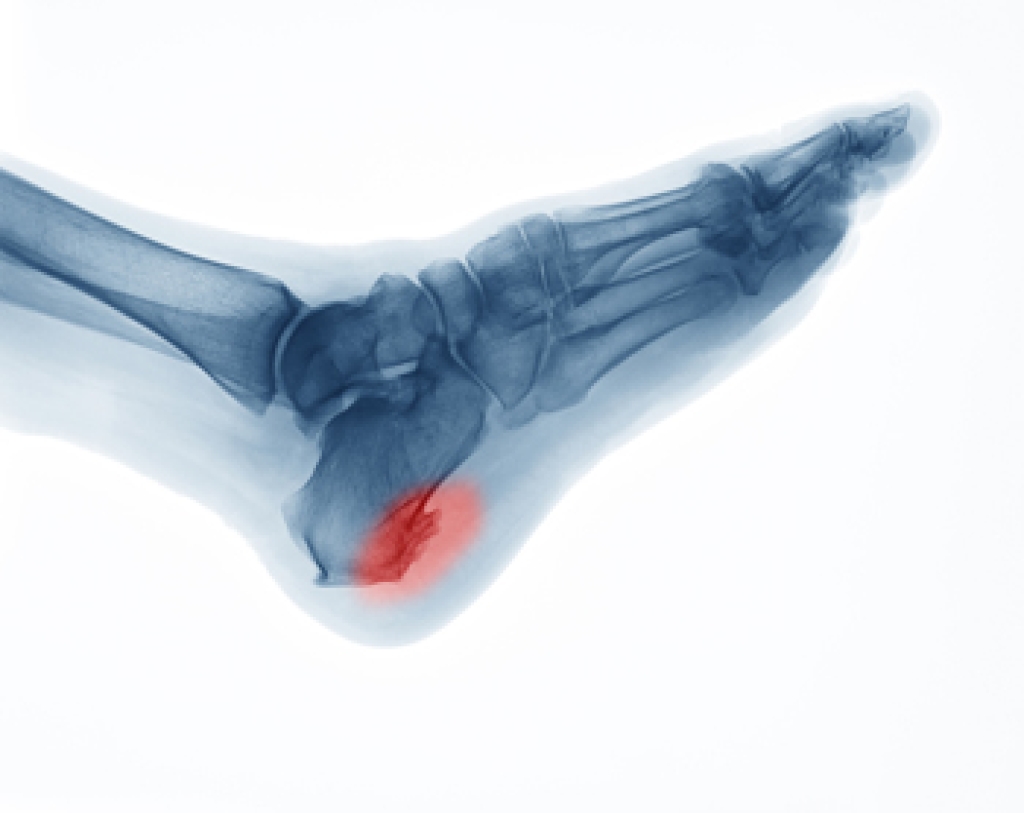
Self-Care for Heel Spurs

Heel spurs are bony bumps that can form on the underside of your heel bone. They are usually painless, but can become painful if the tissue around the heel swells. Pain typically worsens with activity. There are several things that you can do at home to address heel spur pain. First, you should rest your injured foot so that it can heal. Keep weight and pressure off the affected foot if possible, and apply ice to the injury to reduce swelling. Stretch your legs and feet before getting out of bed to loosen the muscles and tendons in your feet. Wearing properly fitting shoes or orthotic inserts can also help to cushion and support your feet, and you may wish to also take over-the-counter medications to reduce pain. If your heel pain doesn’t improve or worsens, it is strongly suggested that you seek the care of a podiatrist for a proper examination.

Heel spurs can be incredibly painful and sometimes may make you unable to participate in physical activities. To get medical care for your heel spurs, contact one of our podiatrists from Gerber Podiatry Clinic. Our doctors will do everything possible to treat your condition.

Heels Spurs

Heel spurs are formed by calcium deposits on the back of the foot where the heel is. This can also be caused by small fragments of bone breaking off one section of the foot, attaching onto the back of the foot. Heel spurs can also be bone growth on the back of the foot and may grow in the direction of the arch of the foot.

Older individuals usually suffer from heel spurs and pain sometimes intensifies with age. One of the main condition's spurs are related to is plantar fasciitis.

Pain

The pain associated with spurs is often because of weight placed on the feet. When someone is walking, their entire weight is concentrated on the feet. Bone spurs then have the tendency to affect other bones and tissues around the foot. As the pain continues, the feet will become tender and sensitive over time.

Treatments

There are many ways to treat heel spurs. If one is suffering from heel spurs in conjunction with pain, there are several methods for healing. Medication, surgery, and herbal care are some options.

If you have any questions, please feel free to contact our office located in Evanston, IL . We offer the newest diagnostic and treatment technologies for all your foot care needs.

Read more about Heel Spurs

Ways to Reduce Foot Problems for Diabetics

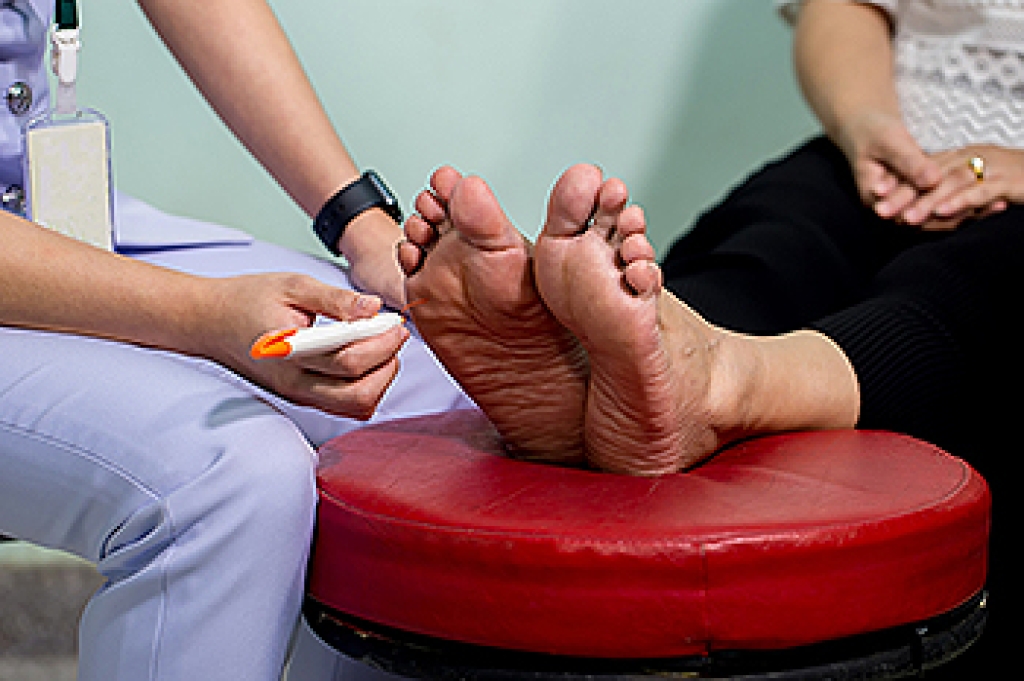
Most people associate diabetes with blood sugar and insulin levels, but many diabetics are also at risk for severe foot problems. Over time diabetes may cause nerve damage and this is commonly referred to as diabetic neuropathy. This condition can cause numbness, tingling, and pain in the feet. Once this develops you might not notice a cut or sore on the foot which could lead to an infection. Diabetes can also reduce blood flow to the feet making it even more difficult for a cut or infection to heal. Without treatment an infection may lead to gangrene, and in severe cases amputation of a toe or foot could be necessary. If you have diabetes there are ways to keep your feet healthy: inspect your feet every day for cuts, sores, scrapes, or any other changes; wash and dry your feet thoroughly; trim toenails straight across and not too short; wear socks and shoes that fit correctly; and elevate your feet while you are sitting. If you have foot wounds that won't heal, notice an odor coming from your feet, or see changes to the color or shape of your feet, it is strongly suggested that you seek the care of a podiatrist as soon as possible.

Diabetic foot care is important in preventing foot ailments such as ulcers. If you are suffering from diabetes or have any other concerns about your feet, contact one of our podiatrists from Gerber Podiatry Clinic. Our doctors can provide the care you need to keep you pain-free and on your feet.

Diabetic Foot Care

Diabetes affects millions of people every year. The condition can damage blood vessels in many parts of the body, especially the feet. Because of this, taking care of your feet is essential if you have diabetes, and having a podiatrist help monitor your foot health is highly recommended.

The Importance of Caring for Your Feet

  • Routinely inspect your feet for bruises or sores.
  • Wear socks that fit your feet comfortably.
  • Wear comfortable shoes that provide adequate support.

Patients with diabetes should have their doctor monitor their blood levels, as blood sugar levels play such a huge role in diabetic care. Monitoring these levels on a regular basis is highly advised.

It is always best to inform your healthcare professional of any concerns you may have regarding your feet, especially for diabetic patients. Early treatment and routine foot examinations are keys to maintaining proper health, especially because severe complications can arise if proper treatment is not applied.

If you have any questions, please feel free to contact our office located in Evanston, IL . We offer the newest diagnostic and treatment technologies for all your foot care needs.
Read more about Diabetic Foot Care

We Can Treat Your Foot or Ankle Pain

Foot or ankle pain can negatively affect your day-to-day life and can occur due to several different conditions. Pain can also be an indicator of a more serious underlying condition, which is why you should seek professional help as soon as you notice any abnormalities in your feet.

What Do Plantar Warts Look Like?

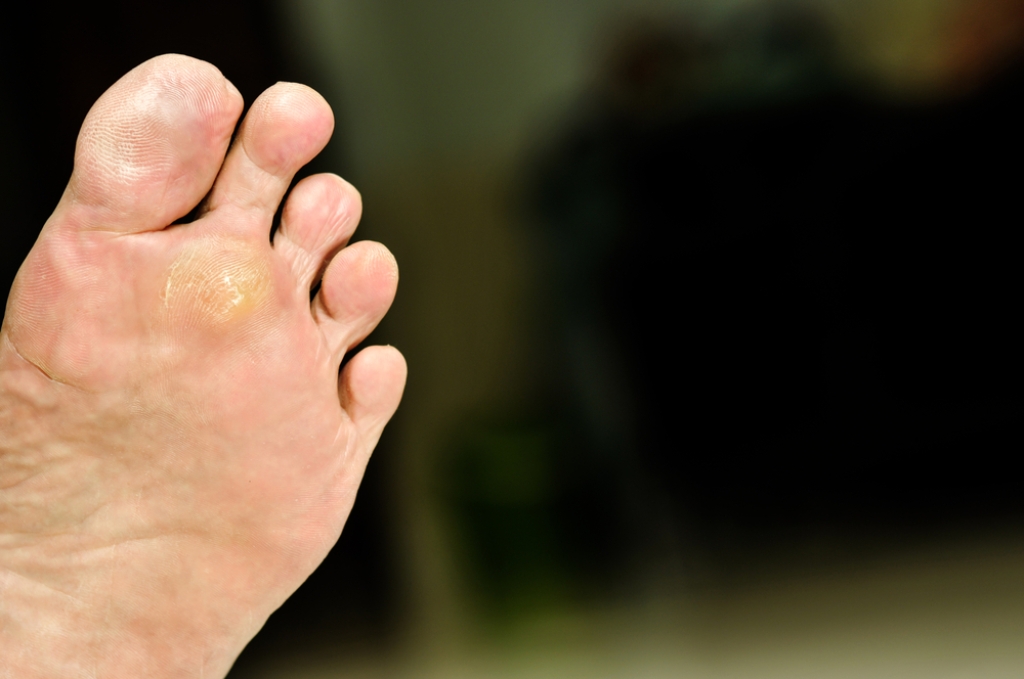
Plantar warts are non-cancerous, rough growths that appear on pressure points located on the sole of the foot. They are caused by the human papillomavirus (HPV), which is spread through direct contact with a plantar wart or an object where HPV is present. Plantar warts are usually flat, and either brown, gray or flesh-colored. They can sometimes have black dots in the center, which are tiny capillaries that supply the wart with blood. Warts can grow individually or appear in clusters. They may be painful when you apply pressure to the bottom of the foot or walk on them. There are several types of therapies podiatrists can use to remove these warts permanently. If you notice a growth on the bottom of your foot that has the characteristics described here, please contact a podiatrist to confirm that what you see is a plantar wart and to receive proper care.

Plantar warts can be very uncomfortable. If you need your feet checked, contact one of our podiatrists from Gerber Podiatry Clinic. Our doctors will assist you with all of your foot and ankle needs.

About Plantar Warts

Plantar warts are the result of HPV, or human papillomavirus, getting into open wounds on the feet. They are mostly found on the heels or balls of the feet.

While plantar warts are generally harmless, those experiencing excessive pain or those suffering from diabetes or a compromised immune system require immediate medical care. Plantar warts are easily diagnosed, usually through scraping off a bit of rough skin or by getting a biopsy.

Symptoms

  • Lesions on the bottom of your feet, usually rough and grainy
  • Hard or thick callused spots
  • Wart seeds, which are small clotted blood vessels that look like little black spots
  • Pain, discomfort, or tenderness of your feet when walking or standing

Treatment

  • Freezing
  • Electric tool removal
  • Laser Treatment
  • Topical Creams (prescription only)
  • Over-the-counter medications

To help prevent developing plantar warts, avoid walking barefoot over abrasive surfaces that can cause cuts or wounds for HPV to get into. Avoiding direct contact with other warts, as well as not picking or rubbing existing warts, can help prevent the further spread of plantar warts. However, if you think you have developed plantar warts, speak to your podiatrist. He or she can diagnose the warts on your feet and recommend the appropriate treatment options.

If you have any questions, please feel free to contact our office located in Evanston, IL . We offer the newest diagnostic and treatment technologies for all your foot care needs.
Read more about All About Plantar Warts

Ways to Repair Cracked Heels

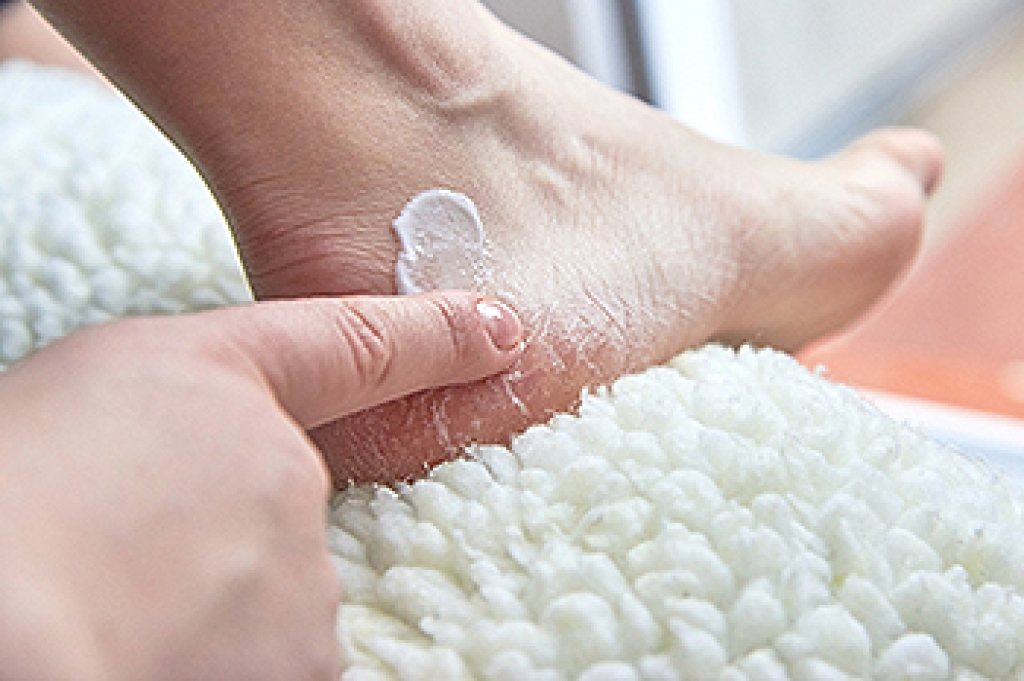
About one-fifth of adults in the United States experience cracked heels, studies show. Besides being unsightly, cracked heels that deepen can also become painful and lead to bleeding. Because there are no oil glands on the feet, they often become dried out. In addition, medical conditions such as diabetes, psoriasis and eczema can promote cracked heels. One of the simplest remedies for cracked heels is a petroleum jelly treatment. It helps reduce moisture loss from the skin and keeps it hydrated. Soak your feet in warm water for about 15 minutes, and then use a pumice stone to scrub off the dried skin. Rinse and pat dry thoroughly. Next, apply moisture lotion to the affected area and cover that with petroleum jelly to seal it in. Put on a pair of wool socks overnight and wash your feet again the next morning. If cracked heels continue to give you problems, it is suggested that you visit a podiatrist who can recommend further treatment options.

If the skin on your feet starts to crack, you may want to see a podiatrist to find treatment. If you have any concerns, contact one of our podiatrists from Gerber Podiatry Clinic. Our doctors can provide the care you need to keep you pain-free and on your feet.

Cracked Heels

It is important to moisturize your cracked heels in order to prevent pain, bleeding, and infection. The reason cracked heels form is because the skin on the foot is too dry to support the immense pressure placed on them. When the foot expands, the dry skin on the foot begins to split.

Ways to Help Heal Them

  • Invest in a good foot cream
  • Try Using Petroleum Jelly
  • Ease up on Soaps
  • Drink Plenty of Water

Ways to Prevent Cracked Heels

  • Moisturize After Showering
  • Skip a Shower
  • Keep Shower Water Lukewarm
  • Don’t Scrub Your Feet

If you are unsure how to proceed in treating cracked heels, seek guidance from a podiatrist. Your doctor will help you with any questions or information you may need. 

If you have any questions, please feel free to contact our office located in Evanston, IL . We offer the newest diagnostic and treatment technologies for all your foot care needs.

Read more about Solutions for Cracked Heels

Connect With Us

Advanced Podiatric Procedures & Services in the Evanston, IL 60202 area