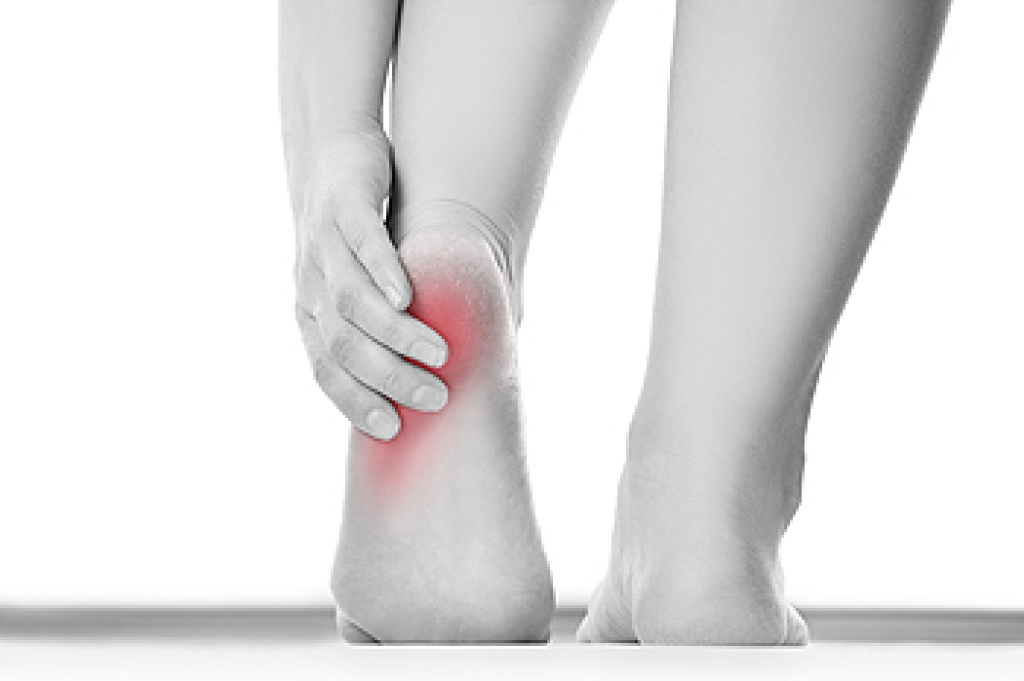
5 Possible Causes of Heel Pain

As the foundation of the body, the foot and ankle are complex, amazing structures made up of many ligaments, nerves, tendons, joints, and bones—including the largest bone in the foot, the heel. The heel helps form the arch and manages stress during walking and running. All of this use and stress can lead to painful conditions of the heel and its surrounding tendons and ligaments. Plantar fasciitis, the most common form of heel pain, is an inflammation of the connective tissue that spans the bottom of the foot (plantar fascia). Another common form of heel pain occurs with Achilles tendonitis, which causes inflammation and pain in the (Achilles) tendon that attaches the heel with the calf muscles. A loss of cushioning in the plantar fat pad can cause the heel to become bruised, and the heel bone can also fracture, causing intense pain. Retrocalcaneal Bursitis is an inflammation of the fluid-filled bursa sac that cushions the back of the heel bone. Any type of heel pain should be diagnosed by a podiatrist. who can assess the situation and create an appropriate treatment plan based on their findings.

Many people suffer from bouts of heel pain. For more information, contact one of our podiatrists of Gerber Podiatry Clinic. Our doctors can provide the care you need to keep you pain-free and on your feet.

Causes of Heel Pain

Heel pain is often associated with plantar fasciitis. The plantar fascia is a band of tissues that extends along the bottom of the foot. A rip or tear in this ligament can cause inflammation of the tissue.

Achilles tendonitis is another cause of heel pain. Inflammation of the Achilles tendon will cause pain from fractures and muscle tearing. Lack of flexibility is also another symptom.

Heel spurs are another cause of pain. When the tissues of the plantar fascia undergo a great deal of stress, it can lead to ligament separation from the heel bone, causing heel spurs.

Why Might Heel Pain Occur?

  • Wearing ill-fitting shoes                
  • Wearing non-supportive shoes
  • Weight change           
  • Excessive running

Treatments

Heel pain should be treated as soon as possible for immediate results. Keeping your feet in a stress-free environment will help. If you suffer from Achilles tendonitis or plantar fasciitis, applying ice will reduce the swelling. Stretching before an exercise like running will help the muscles. Using all these tips will help make heel pain a condition of the past.

If you have any questions, please feel free to contact our office located in Evanston, IL . We offer the newest diagnostic and treatment technologies for all your foot care needs.

Read more about Heel Pain

High Heels Can Be Harmful

Most little girls can’t wait for the day that they are able to wear high-heeled shoes. And while high heels often look attractive, down the road, they can eventually cause painful foot conditions. Aside from the obvious possibilities of falling or spraining an ankle, wearing high heels for extended periods of time can also lead to lower back and knee pain. If 5-inch heels are causing a problem, rather than switching to flats, a middle-of-the-road approach is suggested. Flat shoes can cause the Achilles tendon to become inflamed, and this may hurt the back of the heel. Wearing lower heels somewhere between 1 and 2 inches can help alleviate symptoms as well as a wider toe box. If your feet hurt, whether you wear high heels or not, it is a good idea to consult a podiatrist for an evaluation and treatment plan.

High heels have a history of causing foot and ankle problems. If you have any concerns about your feet or ankles, contact one of our podiatrists from Gerber Podiatry Clinic. Our doctors can provide the care you need to keep you pain-free and on your feet.

Effects of High Heels on the Feet

High heels are popular shoes among women because of their many styles and societal appeal.  Despite this, high heels can still cause many health problems if worn too frequently.

Which Parts of My Body Will Be Affected by High Heels?

  • Ankle Joints
  • Achilles Tendon – May shorten and stiffen with prolonged wear
  • Balls of the Feet
  • Knees – Heels cause the knees to bend constantly, creating stress on them
  • Back – They decrease the spine’s ability to absorb shock, which may lead to back pain.  The vertebrae of the lower back may compress.

What Kinds of Foot Problems Can Develop from Wearing High Heels?

  • Corns
  • Calluses
  • Hammertoe
  • Bunions
  • Morton’s Neuroma
  • Plantar Fasciitis

How Can I Still Wear High Heels and Maintain Foot Health?

If you want to wear high heeled shoes, make sure that you are not wearing them every day, as this will help prevent long term physical problems.  Try wearing thicker heels as opposed to stilettos to distribute weight more evenly across the feet.  Always make sure you are wearing the proper shoes for the right occasion, such as sneakers for exercising.  If you walk to work, try carrying your heels with you and changing into them once you arrive at work.  Adding inserts to your heels can help cushion your feet and absorb shock. Full foot inserts or metatarsal pads are available. 

If you have any questions, please feel free to contact our office located in Evanston, IL . We offer the newest diagnostic and treatment technologies for all your foot care needs.

Read more about Effect of High Heels on the Feet

Post-surgical Care For Ingrown Toenails

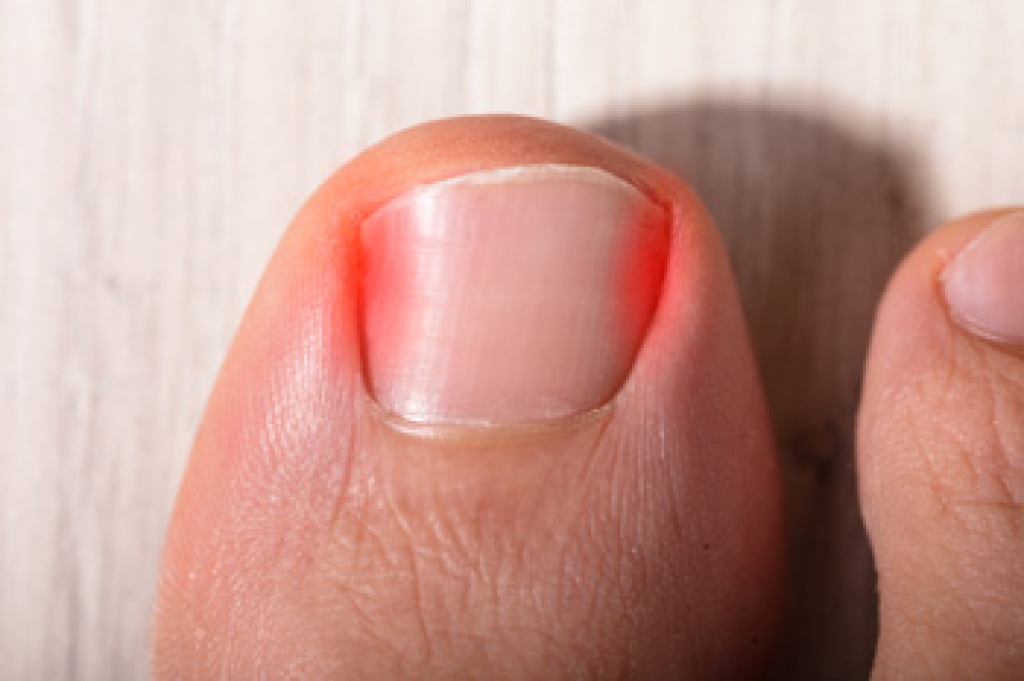
Ingrown toenails are nails whose edges that have grown into the surrounding skin. This may cause the area to become red, swollen, tender, and painful, and puts you at an increased risk of getting an infection. In severe cases, an ingrown toenail may need to be surgically removed. Following a surgery for ingrown toenails, you should rest and elevate the affected foot for 12 to 24 hours. Over the counter medications can be used to manage pain. Two days after your surgery, you can begin to soak your foot in warm, soapy water several times a day. Following the soak, apply an antibiotic ointment and cover the area with a clean bandage. For more information about treatments for ingrown toenails, please consult with a podiatrist. 

Ingrown toenails can become painful if they are not treated properly. For more information about ingrown toenails, contact one of our podiatrists of Gerber Podiatry Clinic. Our doctors can provide the care you need to keep you pain-free and on your feet.

Ingrown Toenails

Ingrown toenails occur when a toenail grows sideways into the bed of the nail, causing pain, swelling, and possibly infection.

Causes

  • Bacterial infections
  • Improper nail cutting such as cutting it too short or not straight across
  • Trauma to the toe, such as stubbing, which causes the nail to grow back irregularly
  • Ill-fitting shoes that bunch the toes too close together
  • Genetic predisposition

Prevention

Wearing proper fitting shoes and using proper cutting techniques will also help decrease your risk of developing ingrown toenails.

Treatment

Ingrown toenails are a very treatable foot condition. In minor cases, soaking the affected area in salt or antibacterial soaps will not only help with the ingrown nail itself, but also help prevent any infections from occurring. In more severe cases, surgery is an option. In either case, speaking to your podiatrist about this condition will help you get a better understanding of specific treatment options that are right for you.

If you have any questions, please feel free to contact our office located in Evanston, IL . We offer the newest diagnostic and treatment technologies for all your foot care needs.
Read more about Ingrown Toenail Care

What Is the Tarsal Tunnel and Why Is It Causing Me Pain?

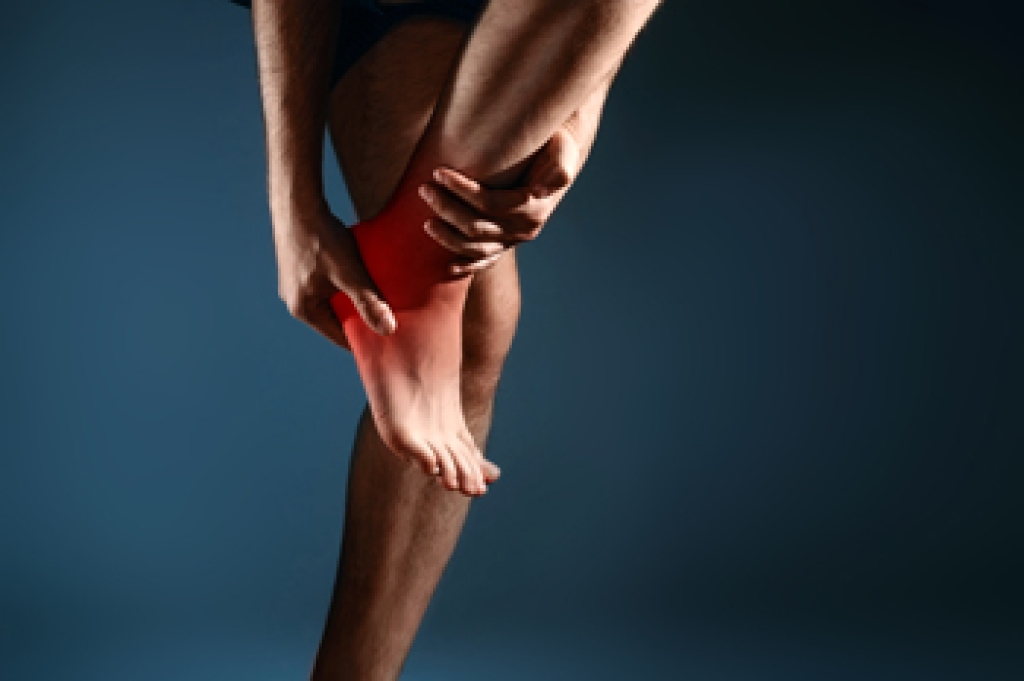
The tarsal tunnel is a narrow passageway on the inside of the ankle that is made of a thick band of fibrous tissue (flexor retinaculum) and ankle bones. Veins, arteries, muscles, tendons, and the tibial nerve pass through the tarsal tunnel. Certain conditions such as a ganglion cyst, nerve sheath tumors, fibrosis, and even injuries can tighten the already-narrow space within the tunnel and compress the tibial nerve. This can cause burning pain or tingling (paresthesias) along the tibial nerve, the inside of the ankle, or bottom (plantar) part of the foot. If you are experiencing this type of discomfort, contact a podiatrist. They will perform a physical examination and may suggest that an MRI be performed to visualize lesions that may be present within the tunnel. Both conservative and surgical treatments will be considered depending on the cause and severity of the condition and will focus on reducing pressure on the nerve and relieving pain.

Tarsal tunnel syndrome can be very uncomfortable to live with. If you are experiencing tarsal tunnel syndrome, contact one of our podiatrists of Gerber Podiatry Clinic. Our doctors can provide the care you need to keep you pain-free and on your feet.

Tarsal Tunnel Syndrome

Tarsal tunnel syndrome, which can also be called tibial nerve dysfunction, is an uncommon condition of misfiring peripheral nerves in the foot. The tibial nerve is the peripheral nerve in the leg responsible for sensation and movement of the foot and calf muscles. In tarsal tunnel syndrome, the tibial nerve is damaged, causing problems with movement and feeling in the foot of the affected leg.

Common Cause of Tarsal Tunnel Syndrome

  • Involves pressure or an injury, direct pressure on the tibial nerve for an extended period of time, sometimes caused by other body structures close by or near the knee.
  • Diseases that damage nerves, including diabetes, may cause tarsal tunnel syndrome.
  • At times, tarsal tunnel syndrome can appear without an obvious cause in some cases.

The Effects of Tarsal Tunnel Syndrome

  • Different sensations, an afflicted person may experience pain, tingling, burning or other unusual sensations in the foot of the affected leg.
  • The foot muscles, toes and ankle become weaker, and curling your toes or flexing your foot can become difficult.
  • If condition worsens, infections and ulcers may develop on the foot that is experiencing the syndrome.

A physical exam of the leg can help identify the presence of tarsal tunnel syndrome. Medical tests, such as a nerve biopsy, are also used to diagnose the condition. Patients may receive physical therapy and prescriptive medication. In extreme cases, some may require surgery.

If you have any questions please contact our office located in Evanston, IL . We offer the newest diagnostic and treatment technologies for all your foot and ankle needs.

Read more about Tarsal Tunnel Syndrome

Connect With Us

Advanced Podiatric Procedures & Services in the Evanston, IL 60202 area